

If you are looking for a new look to your kitchen but don’t want to pay for a complete remodel, updating the existing cabinetry is an excellent choice!
Giving the existing structure a new look makes even the most outdated kitchen a facelift! To do this, there are two main methods: cabinet refacing vs painting. Below we will dive into these options, covering everything you’ll need to know!
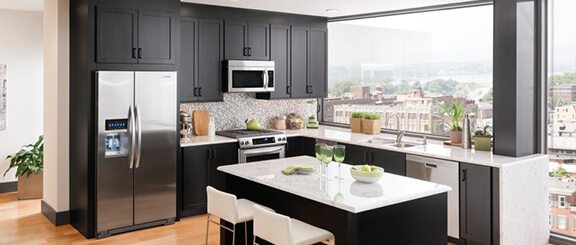
What Is Cabinet Refacing?
Refacing is when you apply a new veneer (typically wood) to the existing cabinet surface. This is an easy process that can be broken down into four steps.
How to Reface Cabinets:
- Remove cabinet doors and hardware.
- Repair any damage you notice like dents or holes.
- Apply the new wood (or what have you) veneer by gluing it onto the surface you wish to update.
- Reinstall cabinet doors and hardware.
Benefits of Cabinet Refacing
One of the main benefits of refacing is the time saving aspect. Since you are only gluing a new surface onto the old, there is not much prep work. Doing a full refacing of each kitchen cabinet can be done in a day.
Plus, there is not a lot of debris to mess with meaning less trips to the dump!
What is Cabinet Painting?
This is exactly what it sounds like: simply paint over your kitchen cabinets! This allows for more options in terms of color and, when done correctly, will hold up to years of wear and tear! Speaking of, let’s go over how to achieve a perfect paint job. After covering the basic steps, I’ll include the tips and tricks to making the job flawless,
How to Paint Kitchen Cabinets
- Remove each kitchen cabinet door and hardware.
- Clean and prep all surfaces for primer.
- Prime each kitchen cabinet surface.
- Paint.
- Apply coats of paint as needed.
- Install kitchen cabinets back into the cabinet box and hardware.
Some Painting Tips:
- When prepping the surface of kitchen cabinets, clean them with a degreaser! This helps cut the built-up residue of cooking along with de-glossing the existing finish making it easier to sand.
- Sand the cabinets before primer with 120-grit sandpaper. You don’t need to remove the existing surface, just rough it up. Use this time as well to fix any imperfections in the cabinet.
- Use high-quality primer and paint!
- Sand again after the primer has dried for 15-24 hours with 300-400 grit sandpaper to achieve a smooth surface.
- Use at least two to three coats of paint! This ensures a sturdy finish to the hardships a kitchen cabinet can face. Also, sand between coats to maintain a smooth finish (300-400 grit paper again) on each kitchen cabinet.
Benefits of Cabinet Painting
While painting properly does take a lot of time, painted kitchen cabinets tend to hold up for years and are durable. There are seemingly endless options as to what color you can choose for your paint allowing more creativity as well.
Cabinet Refacing vs Painting: Which Should You Choose?
Each option has its own set of benefits and considerations. Let’s dive into the details to help you make an informed decision.
5 Signs to Reface Your Cabinets
- Outdated Appearance
If you like the layout of the kitchen just not the look, refacing is a great option.
- Limited Budget
Since you really only need the veneer and glue, it’s a cheap process.
- Good Structural Condition
If your cabinets are in good structural condition and only need a cosmetic update, refacing every cabinet door is a suitable choice.
- Short Timelines
Refacing cabinets is a relatively quick process compared to a full cabinet replacement, making it the best option for those with little spare time. Each drawer front, cabinet door, or drawer front takes under an hour giving you a new cabinet feel quick!
- Matching Cabinet Layout
If you’re satisfied with the current layout and the cabinets are in good shape, refacing allows you to maintain the same layout while enhancing the appearance.
Yet, there are some drawbacks as well to refacing.
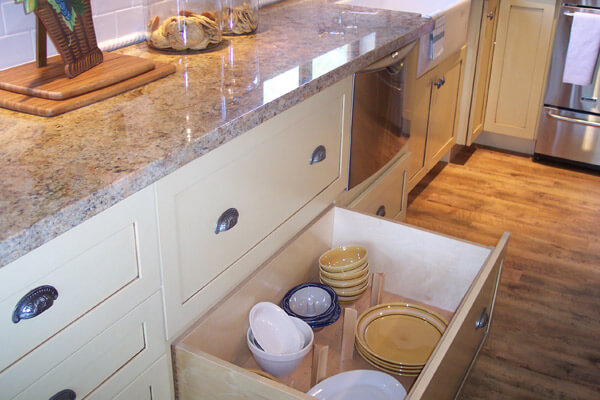
The Risk of Refacing Your Kitchen Cabinets
- Structural Limitations
Refacing does not address any underlying structural issues.
- Limited Design Options
There are not as many veneer options as paint colors plain and simple.
- Cost Considerations
While refacing cabinets is generally more cost-effective than a full replacement, it can still be a significant investment. Start by getting an estimate for a kitchen cabinet to see if this is in your budget.
- Potential for Delamination
Over time, the adhesive used in the refacing process could weaken, leading to delamination or peeling of the veneer. While proper installation and maintenance can minimize this risk, it’s important to be aware of the potential for delamination.
- Limited Longevity
Considering the long-term durability of refacing materials is important, especially if you have an active household or plan to stay in your home for many years.
It’s vital to weigh these risks against the benefits of cabinet refacing and consider your specific needs and goals before making a decision. Consulting with a qualified professional can also provide valuable insights and help you make an informed choice for your kitchen makeover.
When to Paint?
If refacing doesn’t sound like the right choice, painting might have the best result for your new kitchen look making that old drawer front look exceptional! Plus, no need to fool with the cabinet box.
5 Signs to Paint Your Cabinets
- Worn-out cabinet doors
If your cabinet doors are in poor condition, painting can provide a fresh look plus give you the chance to spruce up the old cabinets.
- Change in kitchen style
With so many paint options, it’s easy to change the style of a kitchen.
- Cost considerations
While you will need more supplies than refacing, paint supplies are always good to have on hand for other projects/touch ups.
- DIY preference
If you enjoy do-it-yourself projects and have the time and skills required, painting your cabinets can be a rewarding project that allows you to personalize your kitchen and gives you lots of experience with each kitchen cabinet.
It’s important to note that painting cabinets require careful preparation and quality products to ensure each kitchen cabinet looks like a new cabinet.
The Risks of Painting Your Kitchen Cabinets
- The Quality
Achieving a smooth and professional finish can be challenging, especially if you’re not experienced in cabinet painting. Without the proper techniques and tools, you may end up with visible brushstrokes, drips, or uneven color distribution.
- Durability
While a fresh coat of paint can give your cabinets a new look, it may not provide the same level of durability as other options like cabinet refacing or replacement.
- Time and Labor Intensive
The prep work required for a quality paint job plus the multiple coats of paint make this a route that will take several days.
- Health Concerns with Paint
Traditional paints may contain harmful volatile organic compounds (VOCs) that can release toxic fumes during application and drying. Opting for low VOC or zero VOC paints can help mitigate this risk, but it’s still crucial to ensure proper ventilation and take necessary precautions.
Remember, always consult with a qualified professional or painting specialist to help you make an informed decision based on your unique needs and expectations.

Looking for some professional help? Look no further!
At Southwest Kitchen & Bath, we offer top-quality cabinet refacing and kitchen remodeling services to help you achieve your desired kitchen or bathroom makeover. Our team of experts is skilled in transforming outdated cabinets into fresh, modern ones that breathe new life into your space for a fraction of a full kitchen remodel cost.
By hiring us to do the work for you, we can ensure a top-quality paint job is performed that will last many years to come! Plus, we will save you lots of time.